Decoding Smartphone Interface Designs That Align Payment Security Protocols With Progressive Baccarat Tactics in Licensed Provincial Markets
Written by Jordan Klein · Oct 15, 2026

Decoding Smartphone Interface Designs That Align Payment Security Protocols With Progressive Baccarat Tactics in Licensed Provincial Markets
Smartphone interfaces in licensed provincial markets combine layered security measures with betting progression tools that support baccarat play, and developers structure these elements so users complete transactions while tracking bet sequences such as increasing stakes after losses or adjusting based on outcome patterns. Provincial licensing bodies require encryption standards and tokenization that match payment flows to game mechanics without exposing account details during live dealer sessions.
Core Interface Components in Provincial Apps
Designers place quick-access buttons for deposit methods alongside baccarat tables so players select funding options and apply progressive tactics in one view, while biometric prompts and PIN verification sit beneath the main screen to maintain session continuity. Data from the Financial Consumer Agency of Canada shows that apps licensed in multiple provinces use standardized APIs to route payments through secure gateways that log each transaction against specific bet multipliers chosen by the user.
Navigation menus separate payment history from strategy trackers yet allow seamless switches, and color-coded indicators signal when a chosen progression system aligns with available funds after each hand. Observers note that these layouts reduce steps between funding and placing bets, which matters in markets where operators must report every action to regulators.
Payment Security Protocols and Regulatory Requirements
Provincial frameworks mandate that payment gateways employ end-to-end encryption and device fingerprinting before any baccarat round begins, and operators integrate these checks directly into the interface so users see confirmation screens that also display current bet progression status. Research indicates that tokenization replaces card numbers with unique identifiers that expire after each session, a step that aligns with rules set by bodies such as the Alcohol and Gaming Commission of Ontario.
Apps update security layers automatically when regulatory thresholds change, and one update scheduled for October 2026 will require additional multi-factor authentication for deposits exceeding certain provincial limits. These protocols connect to backend systems that cross-reference transaction amounts with the progression steps a player has selected for that table.
Integration With Progressive Baccarat Tactics
Interface elements allow players to preset bet sequences that increase or decrease stakes according to wins and losses, and the design displays running totals next to the payment confirmation panel so users verify available balance before confirming each step. Studies from gaming technology reports reveal that visual sliders for progression levels sit adjacent to secure checkout buttons, letting the system calculate required funds while the encryption layer processes the transfer.
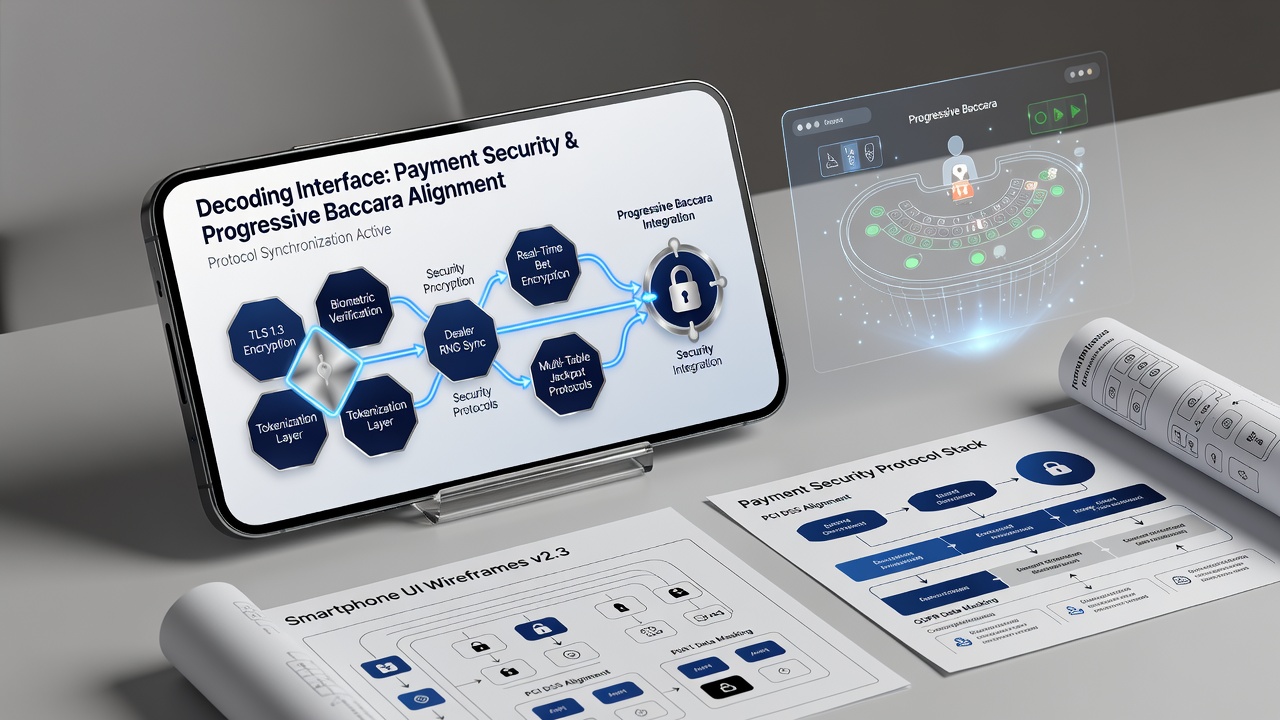
Provincial rules require that any automated bet adjustment tool remain separate from the actual payment processor, yet the interface presents both in parallel views so the player maintains control over both tactics and funding. Data from the Australian Communications and Media Authority on similar mobile systems shows that such parallel displays help operators meet audit requirements without interrupting live play.
Provincial Licensing Variations and App Adaptations
Each province applies distinct rules to wallet integration and bonus structures tied to baccarat, and app developers adjust interface modules accordingly so payment options appear only after the user satisfies local verification steps. In markets where live table games carry specific tax reporting, the design includes summary panels that update after every progressive bet cycle while keeping security tokens active for the duration of the session.
Operators test these adaptations across devices to ensure that security prompts do not overlap with tactic selectors, and compliance teams review logs that capture both payment events and bet progression data. Figures from provincial oversight reports confirm that synchronized interfaces have reduced transaction disputes in recent testing cycles.
Conclusion
Smartphone designs in licensed provincial markets continue to merge payment security layers with tools that support progressive baccarat sequences, and the October 2026 framework updates will likely refine how these elements interact within single screens. Provincial regulators and industry standards guide the placement of encryption checks, token systems, and bet trackers so that each component operates under documented oversight while users move between funding and strategy decisions in a continuous flow.